Maria Thrän (they/them) is an interdisciplinary artist, performer, and writer based between Berlin and Seattle.
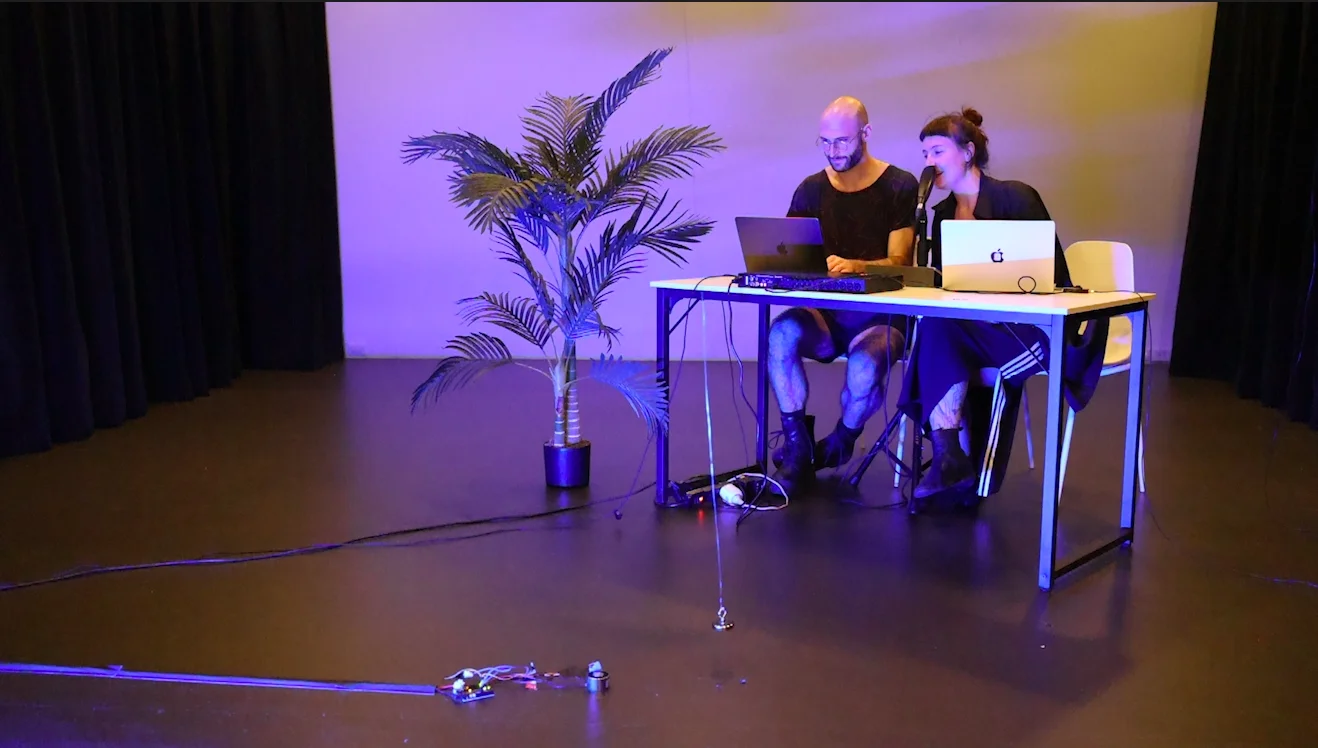
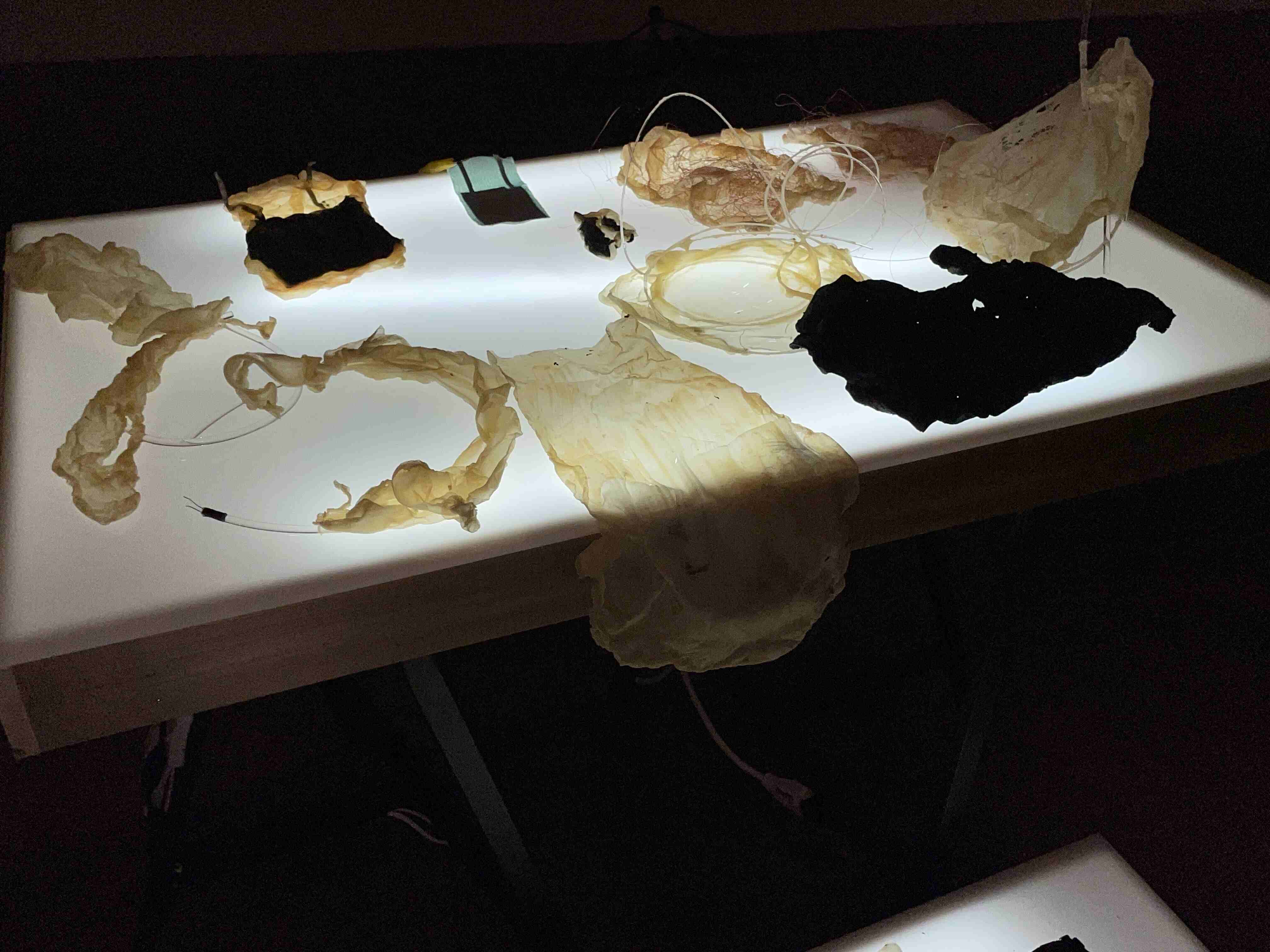
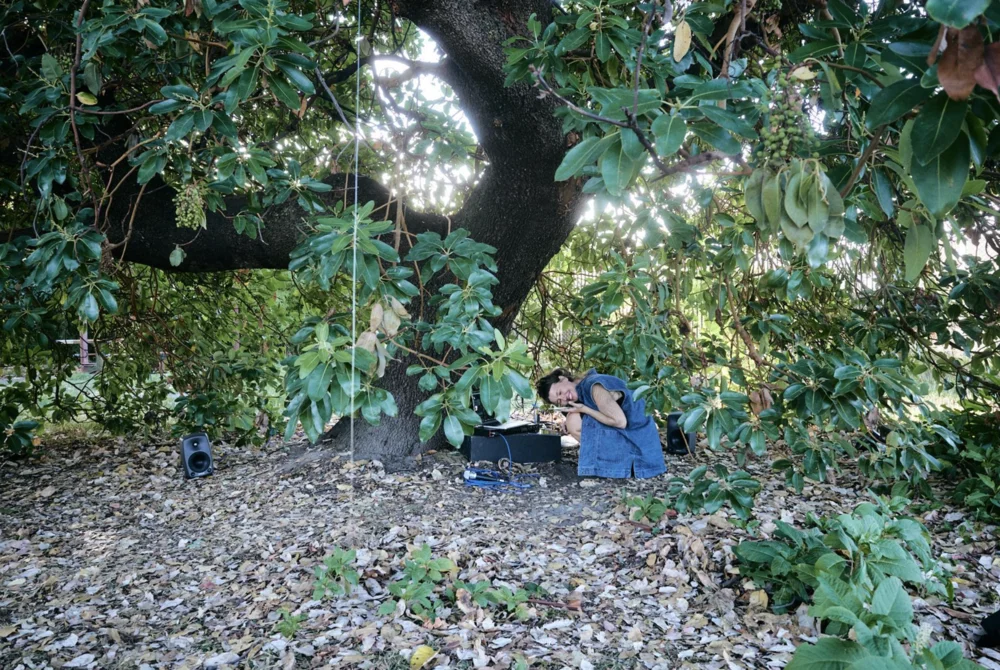
Maria´s work unfolds across performance, voice, transmission, and sculpture, exploring how bodies sense and move through systems of power and asks, with artist Raven Chacon, "What gets amplified?" Their research is in dialogue with Black studies (Brooks, Hurston, Adeyemi, Mengesha), Indigenous scholarship (Chacon), and sound practices (Oliveros, LaBelle). Trained in visual arts and sound, Thrän investigates how performance can enact forms of care, refusal, and listening that resist spectacle and center ethical presence.
Their doctoral research examines how voice, ritual, and sensing technologies can operate as systems of care rather than tools of extraction. The voice functions as both transmitter and sensor—an embodied technology carrying breath, grain, tension, and refusal beyond language in relation to more - than - human enteties.

Maria´s own histories of migration and difference, and their position as a white artist, shape their approach to create. Trying to remain attentive to the tensions and responsibilities that arise when working across histories of oppression and knowledge. Rather than claiming access to these traditions, Maria position themselfs at a deliberate distance, asking how listening and sensing are shaped under unequal conditions.
They approache sound not as an aesthetic object, but as a sensory ethics of relation. Maria’s work has received awards and has been shown internationally in solo and group exhibitions.
For latest Exhibitions & news
Follow on instagram
ON(e) Distance
Point of view
Discover